Septic System Dos and Donts for New Homeowners in Chattanooga
January 29, 2026

Many homes in and around Chattanooga, especially in suburban and rural parts of Hamilton County, aren't on city sewer. If you're new to a home with a septic system, it can feel like one more thing to figure out. The good news is that a few simple habits go a long way toward avoiding backups, costly repairs, and unpleasant surprises.
This guide covers the most important dos and don'ts for new septic owners, plus a simple checklist for your first month in the home.
How a Septic System Works, in Plain English
Everything that goes down your drains flows through a pipe into the septic tank. Inside the tank, heavy solids sink to the bottom as sludge, while grease and lighter materials float to the top as scum. The liquid in the middle flows out to the drain field (also called field lines or a leach field), a set of buried pipes that let the water soak into the soil, which filters it naturally.
Your job is to keep solids and the wrong materials out of the drain field, and to have the tank pumped before the layers build up too far.
Your First-Month Septic Checklist
- Find the tank and drain field. If there's no diagram, we can locate the tank and uncover the lid.
- Look for service records. Check any paperwork that came with the home for past pumping or repair dates.
- Schedule an inspection if you don't know the system's history. It's the fastest way to learn what shape your system is in.
- Walk the drain field. Look for soggy spots, standing water, or odors.
- Start a maintenance log. Write down every pumping, inspection, and repair from here on.
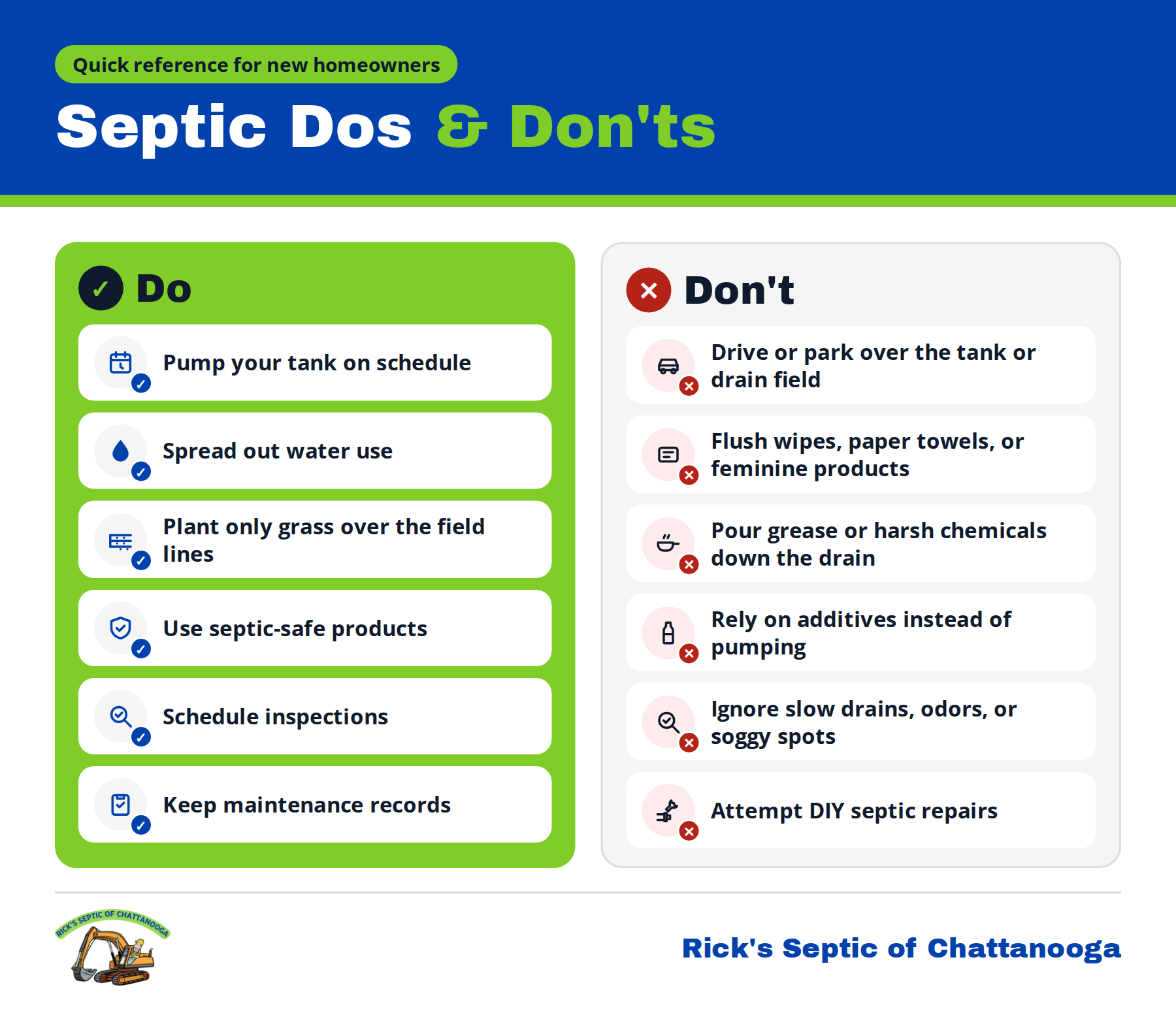
The Dos
Do Pump Your Tank on Schedule
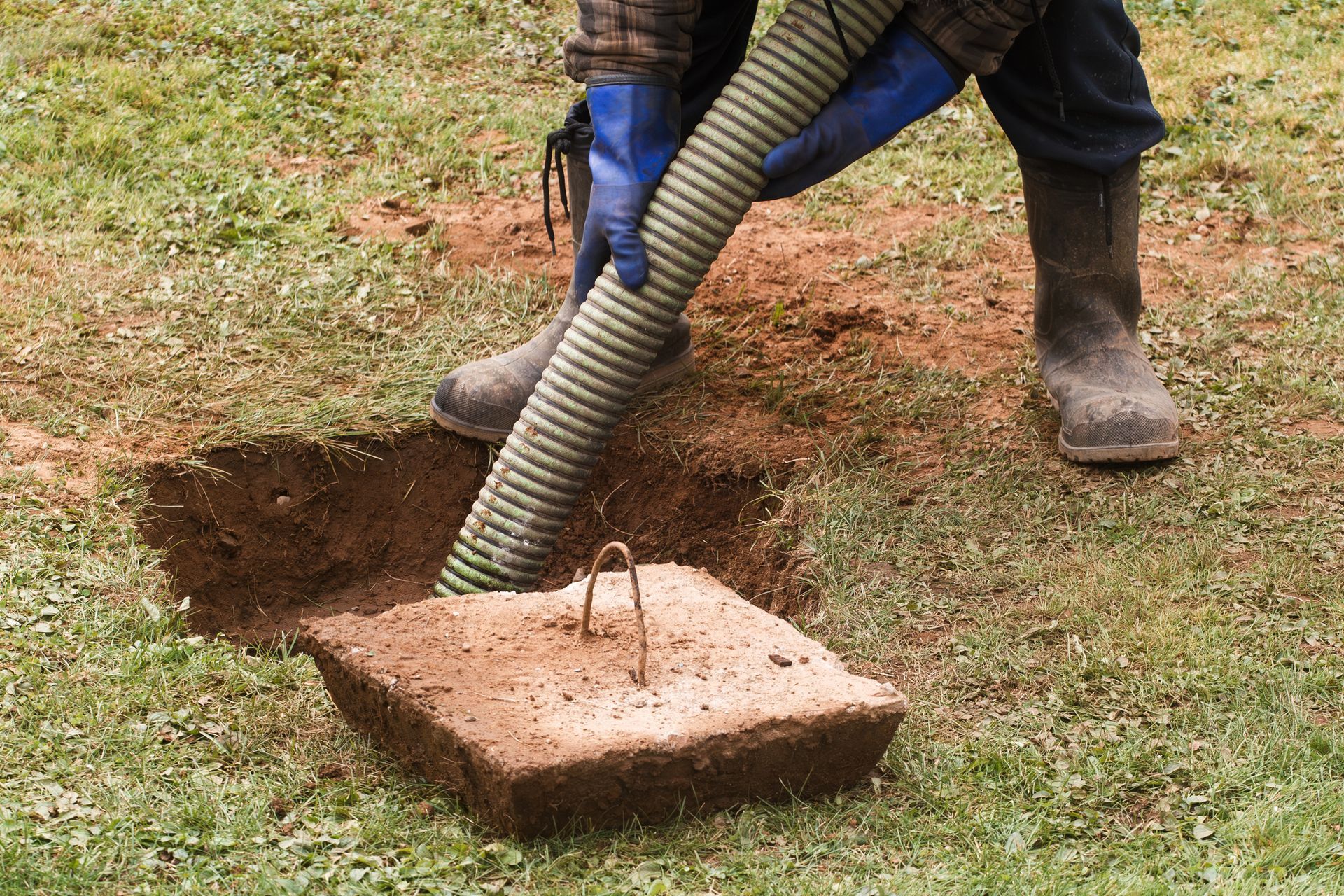
Routine septic pumping is the most important part of septic care. It removes the sludge and scum before they can escape into the drain field and clog it. Most homes need pumping every few years, depending on tank size, household size, and water use. If you don't know when the tank was last pumped, start there.
Do Use Water Wisely
Too much water at once can push solids out of the tank before they settle. Spread laundry across the week, avoid running the washer and dishwasher at the same time, and fix leaky faucets and running toilets.
Do Protect the Drain Field
The drain field is where the soil filters your wastewater, so keep it clear. Don't build sheds, patios, or pools over it, plant only grass over the field lines, and point gutter downspouts away from it.
Do Use Septic-Safe Products
Your tank depends on helpful bacteria to break down waste. Septic-safe soaps and cleaners keep those bacteria working.
Do Schedule Inspections
A septic inspection catches small problems before they become big ones, and it's especially useful when you're new to a system and don't know its history. Our septic inspections include diagnostics and troubleshooting.
Do Keep Maintenance Records
A simple log of pumping dates, inspections, and repairs helps you know when the next service is due and gives your septic professional useful history.
The Don'ts
Don't Drive or Park Over the System
The weight of cars, trucks, trailers, and equipment can compact the soil, crack the tank, or crush the field lines. Keep vehicles off the tank and drain field at all times.
Don't Flush Anything but Toilet Paper
Only human waste and toilet paper belong in the toilet. Wipes (even ones labeled "flushable"), paper towels, feminine products, and diapers can clog the system.
Don't Pour Grease or Harsh Chemicals Down the Drain
Grease builds up in the tank and lines, and harsh chemicals can kill the bacteria your tank depends on. Let grease cool and throw it in the trash.
Don't Rely on Additives
Additives don't remove solids from the tank, and some can stir them toward the drain field. Regular pumping is what keeps your system healthy.
Don't Ignore Warning Signs
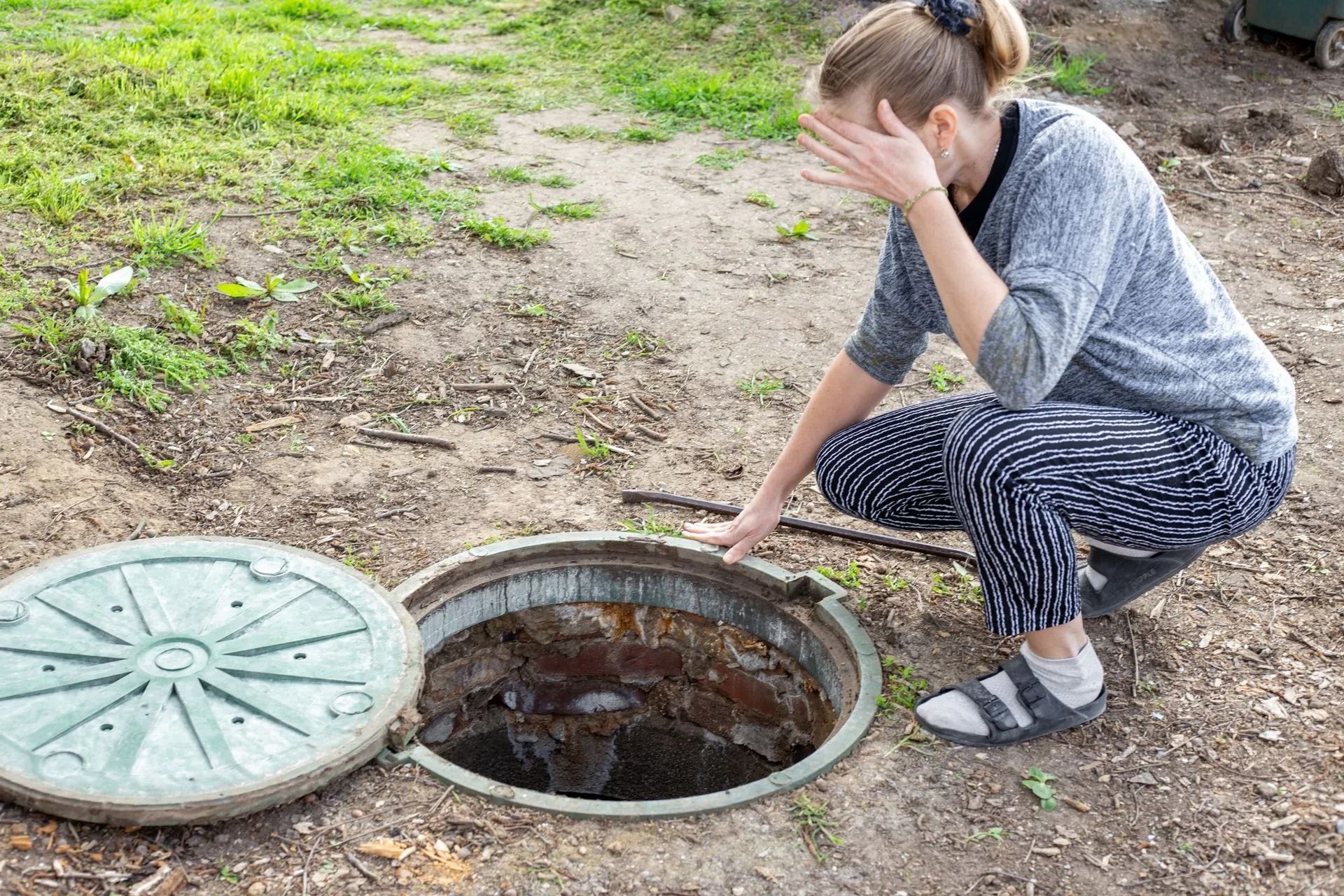
Slow drains, gurgling, odors, and soggy spots in the yard are early signs that something needs attention. Waiting usually turns a small fix into a bigger one.
Don't Try DIY Septic Repairs
Septic repairs take specialized equipment and training, and digging around a tank or field lines without it can cause more damage. Call a licensed septic professional instead.
Warning Signs to Watch For
Call a septic professional if you notice:
- Drains running slow throughout the house
- Gurgling sounds from toilets or drains
- Septic odors in the yard or around the tank
- Wet or soggy ground over the drain field
- Grass that's noticeably greener over the tank or field lines
- Sewage backing up into a tub, shower, or floor drain
If you see these signs, don't assume the worst. Up to 90% of field lines can be repaired, so a full septic replacement isn't automatic.
New Septic Owner FAQ
How do I find my septic tank?
Start with any system drawings that came with the home, then follow the main drain pipe out from the house and look for a slightly raised or sunken spot in the yard. If you still can't find it, we can locate the tank and uncover the lid.
How often should my tank be pumped?
Most homes need pumping every few years. How often depends on your tank size, how many people live in your home, and how much water you use. We'll recommend a schedule that fits your household.
What should I do if sewage backs up into my home?
Stop using water right away and call a septic professional. We're open 24 hours a day, 7 days a week.
Welcome to Septic Ownership
Caring for a septic system comes down to a few good habits and regular maintenance. Rick's Septic of Chattanooga has helped homeowners across Chattanooga and Hamilton County care for their septic systems since 1992. If you're new to your system, we're happy to answer questions, locate your tank, or set you up with a pumping schedule.
SHARE THIS
Latest Posts