Field Line Repair vs. Replacement: Can Your Drain Field Be Fixed?
October 9, 2026
Hearing that your drain field is failing can be scary. Field line replacement is one of the biggest septic expenses a homeowner can face, and many people assume it's the only option once something goes wrong.
The Short Version
Often, your drain field can be fixed.
Up to 90% of field lines can be repaired instead of replaced. Whether yours can depends on what's actually causing the problem, and the only way to know is an on-site evaluation.
Here's how to tell the difference between a drain field that can be repaired and one that truly needs replacing.
What Your Field Lines Do
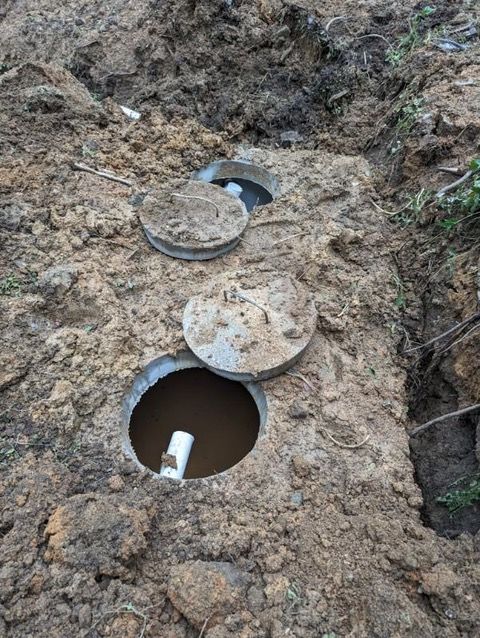
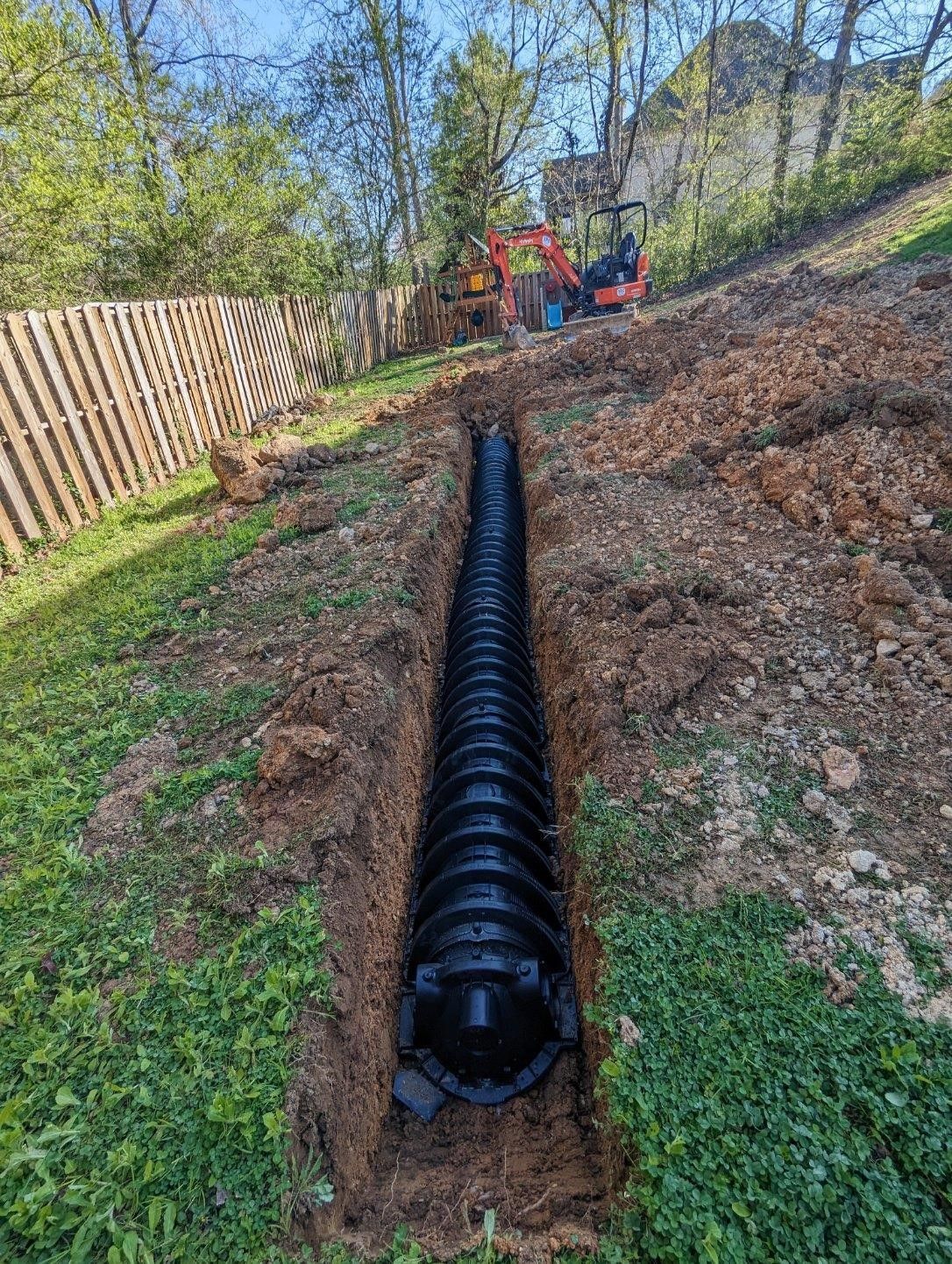
Your field lines (also called the drain field or leach field) are a set of buried, perforated pipes that run out from your septic tank. After solids settle in the tank, the liquid flows into the field lines and soaks into the surrounding soil, which filters it naturally.
When something blocks that flow or the soil can't absorb the water, wastewater has nowhere to go. It either rises to the surface or backs up toward your house.
Signs of a Failing Drain Field
Soggy ground or standing water over the field lines, even in dry weather
A septic smell in the yard
Grass that's noticeably greener or grows faster over the field lines
Slow drains throughout the house
Gurgling toilets or drains
Sewage backing up into the lowest drains in the house
These signs mean something needs attention. They don't automatically mean the whole drain field needs replacing.
Drain Field Problems That Can Often Be Repaired
Many drain field problems come down to one damaged or blocked spot, not a failure of the whole field. These are often repairable:
A crushed or broken pipe
A car, truck, or piece of equipment driving over the drain field can crack or flatten a line.
A clogged section of line
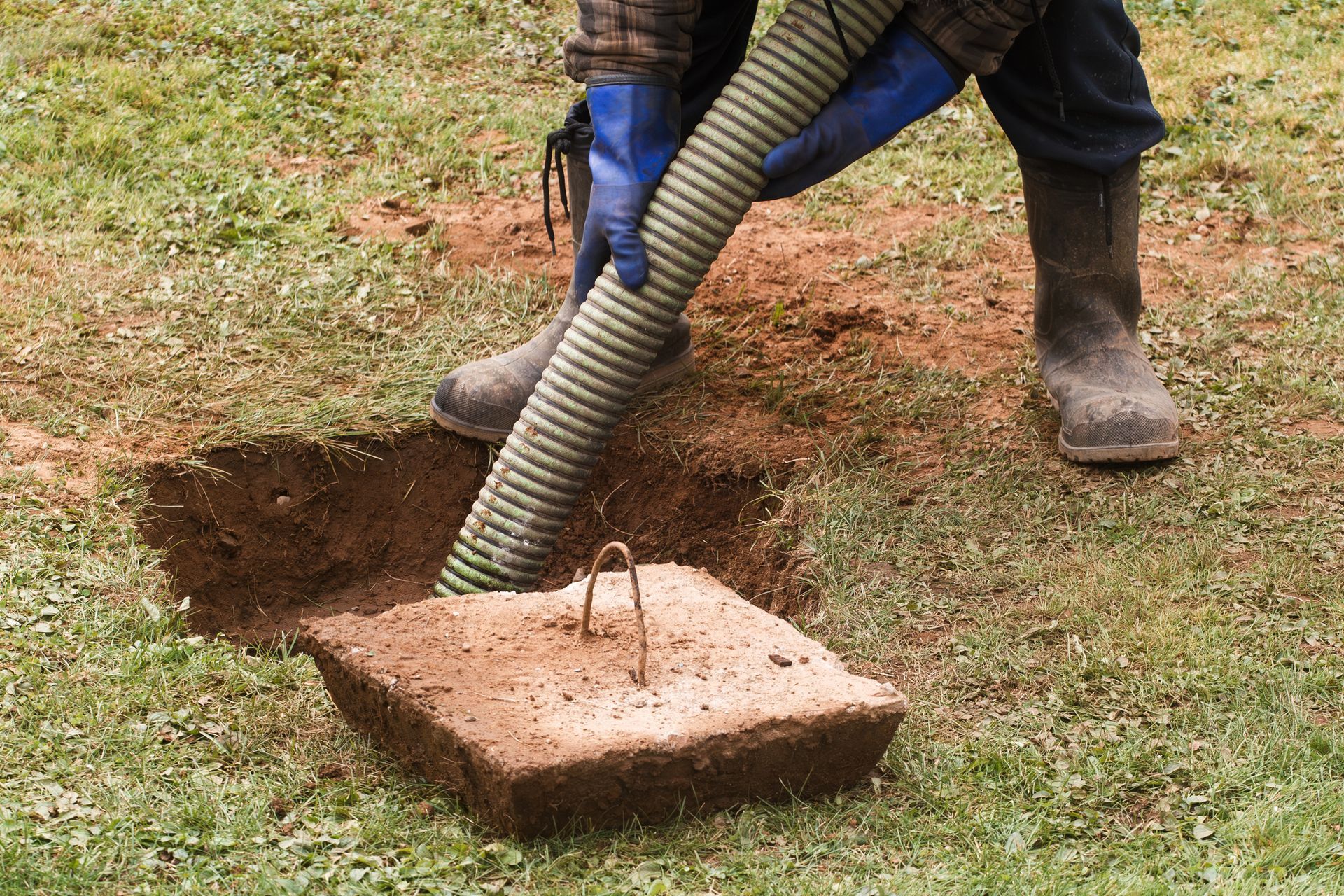
When a tank goes too long between pumpings, solids can escape and clog part of the field.
Roots in one area
Tree and shrub roots grow toward water and can work their way into the pipes.
A blocked distribution point
The fitting that splits flow between the lines can clog or shift, so some lines get overloaded while others sit empty.
Too much surface water
Gutters, downspouts, or sprinklers draining onto the field can saturate it. Sometimes redirecting that water is the fix.
In each case, fixing the specific problem can get the system working again without replacing the whole drain field.
When Field Line Replacement May Be Needed
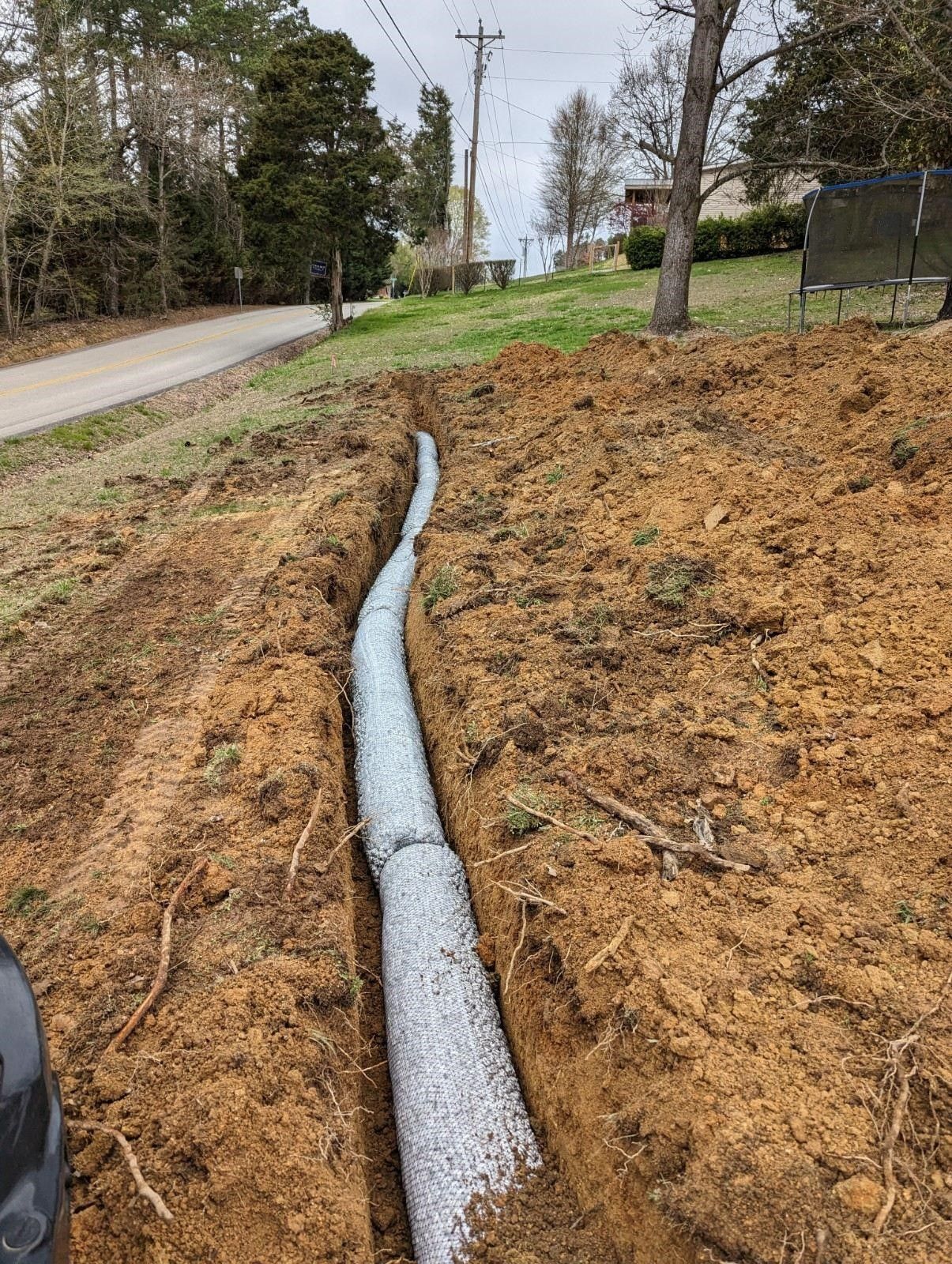
Replacement may be the right call when:
- The soil can no longer absorb water across the whole drain field
- The system has failed in several places at once
- The field lines are collapsed or damaged beyond repair
- Your home has grown, with more bedrooms or bathrooms, and the drain field is too small for the wastewater it gets
Repair vs. Replacement at a Glance
| Field line repair | Field line replacement | |
|---|---|---|
| Best for | A specific damaged, clogged, or blocked section | A drain field that has failed across the whole field |
| Cost | Usually far less | One of the biggest septic expenses |
| Disruption to your yard | Digging is limited to the problem area | New trenches across a larger area |
| First step | An on-site evaluation to find the cause | An on-site evaluation to confirm repair won't work |
How We Decide: Repair or Replace
We don't recommend a new drain field until we know why the current one is failing. That starts with an on-site evaluation of your tank, field lines, and yard to pinpoint the cause. Then we explain what we found in plain language, give you upfront pricing, and tell you honestly whether a repair will do the job.
If it can be fixed, that's what we'll recommend. The owners personally handle every field line repair, so the people who look at your system are the people who fix it.
Got a Replacement Quote? Get a Second Opinion First
If another company has told you that you need a new drain field, it's worth getting a septic second opinion before you commit. Questions to ask any company recommending replacement:
- What exactly is failing, and how did you find it?
- Is the whole drain field failing, or just one section?
- Could the damaged section be repaired instead?
- Was the tank pumped and checked first?
- What would happen if I tried a repair first?
A company that's confident in its recommendation should be able to answer each of these clearly. If you'd like a second look, we offer free on-site quotes.
How to Protect Your Field Lines After a Repair
- Pump your tank on a regular schedule so solids stay out of the field lines. Most homes need it every few years.
- Keep cars, trucks, and heavy equipment off the drain field.
- Plant only grass over the field lines.
- Point gutters, downspouts, and sprinklers away from the drain field.
- Spread out laundry and other heavy water use.
- Keep wipes, grease, and paper towels out of your drains.
Field Line Repair FAQ
Can a drain field be repaired?
Often, yes. Up to 90% of field lines can be repaired. It depends on what's causing the problem: a crushed pipe, a clog, roots, or a blocked distribution point can usually be fixed, while soil that can't absorb water across the whole field may mean replacement.
How do I know if my drain field is failing?
Common signs include soggy ground or standing water over the field lines, a septic smell in the yard, extra-green grass over the lines, and slow or gurgling drains in the house. An on-site septic inspection can confirm what's going on.
Is a soggy yard always a failing drain field?
Not always. Heavy rain, a gutter draining onto the yard, or a leaking water line can also cause wet spots. If the area stays soggy after the ground dries out, or there's a septic smell, have the system checked.
Will pumping my tank fix a failing drain field?
Pumping won't repair damaged field lines, but it's often part of the fix. A full tank can send solids into the drain field, so pumping helps prevent more damage while the field lines get repaired.
Get an Honest Answer Before You Replace
A failing drain field doesn't automatically mean a full replacement. Rick's Septic of Chattanooga has helped homeowners across Chattanooga and Hamilton County since 1992, and we'll always tell you if something can be fixed before we talk about replacing it.
Call
423-605-1612 any time, or
request a free on-site quote online.
SHARE THIS
Latest Posts