The Complete Guide to Septic System Installation in Chattanooga
April 8, 2018
Installing a septic system is a major investment for homeowners in Chattanooga and surrounding areas. Whether you are building a new home or replacing an old system, understanding the septic installation process can help you avoid delays, unexpected costs, and long term problems.
This guide explains how septic system installation works in Chattanooga, what permits are required, how much it typically costs, and what homeowners should expect from start to finish.
What Is a Septic System?
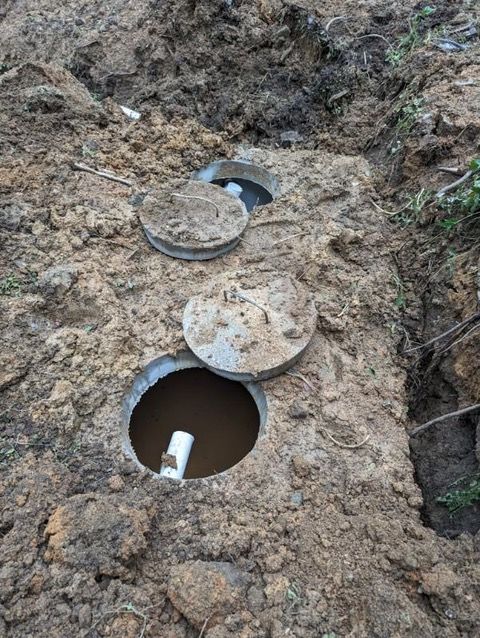
A septic system is an underground wastewater treatment system used by homes that are not connected to a city sewer line. It typically includes a septic tank, drain field, and soil absorption area. Wastewater flows from your home into the tank, where solids settle and liquids drain into the soil for natural filtration.
Many rural and suburban areas around Chattanooga rely on septic systems, especially in Hamilton County and nearby counties.
When Do You Need a New Septic System?
You may need a new septic system installation if:
- You are building a new home or property
- Your existing system has failed or collapsed
- The drain field is no longer absorbing properly
- Your system does not meet current Tennessee health regulations
- You are adding bedrooms or expanding your home
If your septic system is older or showing signs of failure, a professional inspection can help determine if replacement is necessary.
Septic System Installation Process in Chattanooga
1. Site Evaluation and Soil Testing
Before any installation begins, the property must be evaluated. This includes soil testing, also known as a perc test, to determine how well the soil absorbs water. Soil type, slope, and drainage all affect system design.
Local soil conditions in the Chattanooga area can vary, which is why this step is critical.
2. System Design and Planning
Based on the soil test results and home size, a septic professional will design the appropriate system. This includes determining tank size, drain field layout, and system type.
Common systems in the Chattanooga area include conventional gravity systems, pressure distribution systems, and advanced treatment systems for challenging soil conditions.
3. Permits and Approval
Septic system installation in Chattanooga requires approval from the Tennessee Department of Health and local authorities. Permits must be obtained before excavation begins.
Your septic contractor typically handles the permit process, ensuring the system meets all local and state regulations.
4. Excavation and Installation
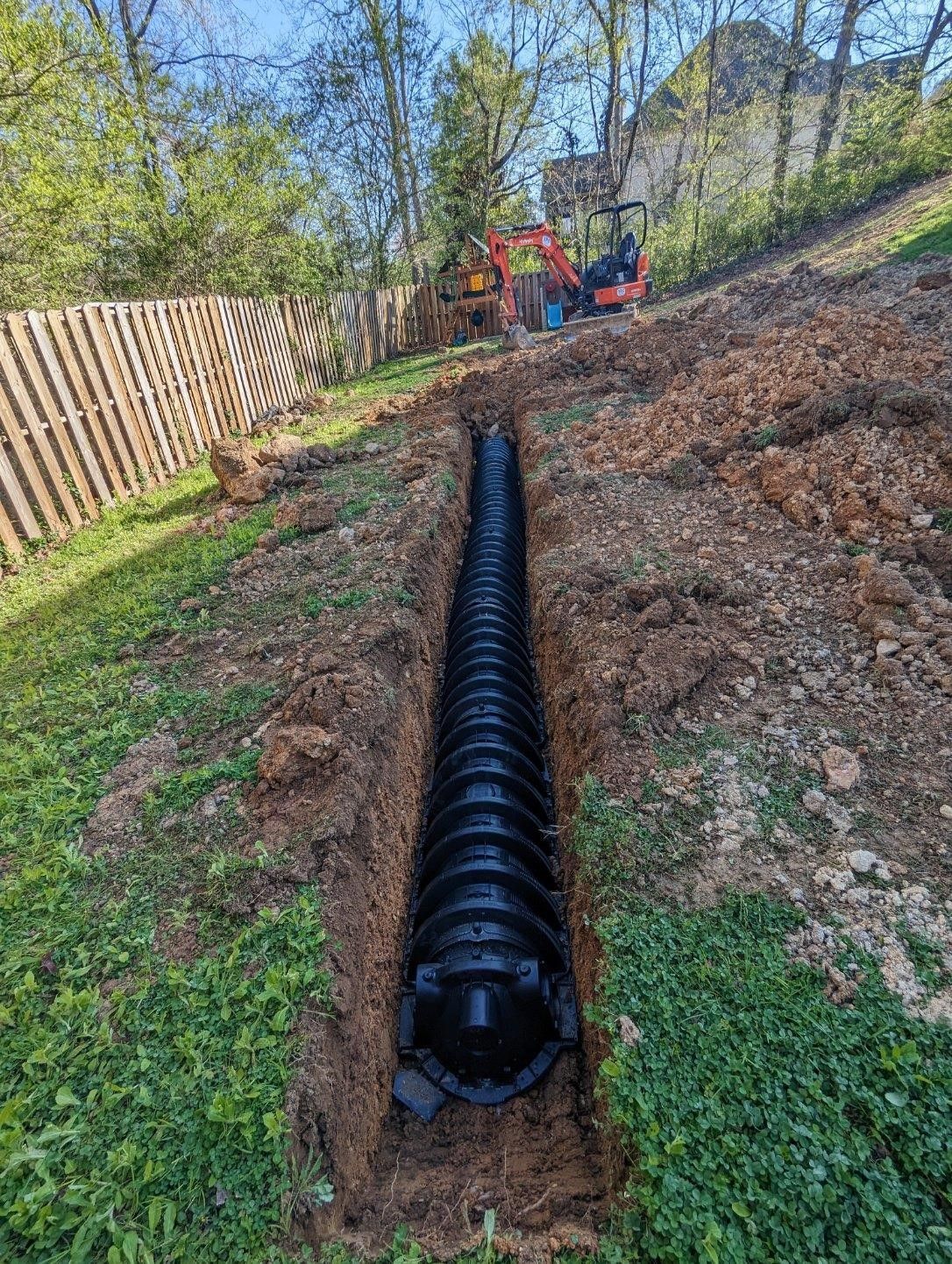
Once permits are approved, the installation begins. This involves excavating the area, installing the septic tank, laying drain field lines, and connecting the system to your home.
The installation timeline usually takes a few days, depending on weather, soil conditions, and system complexity.
5. Inspection and Final Approval
After installation, the system must be inspected by the health department or a certified inspector. Once approved, the system can be placed into service.
Your contractor should provide documentation showing the system passed inspection and meets all regulations.
Septic System Installation Costs in Chattanooga
The cost of septic system installation in Chattanooga varies based on several factors:
- Type of septic system
- Size of the home and number of bedrooms
- Soil conditions and slop
- Permit and inspection fees
- Excavation complexity
On average, homeowners can expect to pay anywhere from $5,000 to $15,000 or more. Advanced systems or difficult soil conditions may increase the total cost.
Getting a professional site evaluation and detailed estimate is the best way to understand your specific costs.
Choosing the Right Septic Contractor
Hiring an experienced local septic contractor is one of the most important decisions you will make. Look for a company that:
- Is licensed and insured in Tennessee
- Has experience with Chattanooga area soil and regulations
- Handles permits and inspections
- Provides clear pricing and timelines
- Offers long term maintenance support
A local contractor understands regional requirements and can help avoid costly mistakes.
Maintaining Your New Septic System
Proper maintenance helps protect your investment and extends the life of your septic system. Homeowners should:
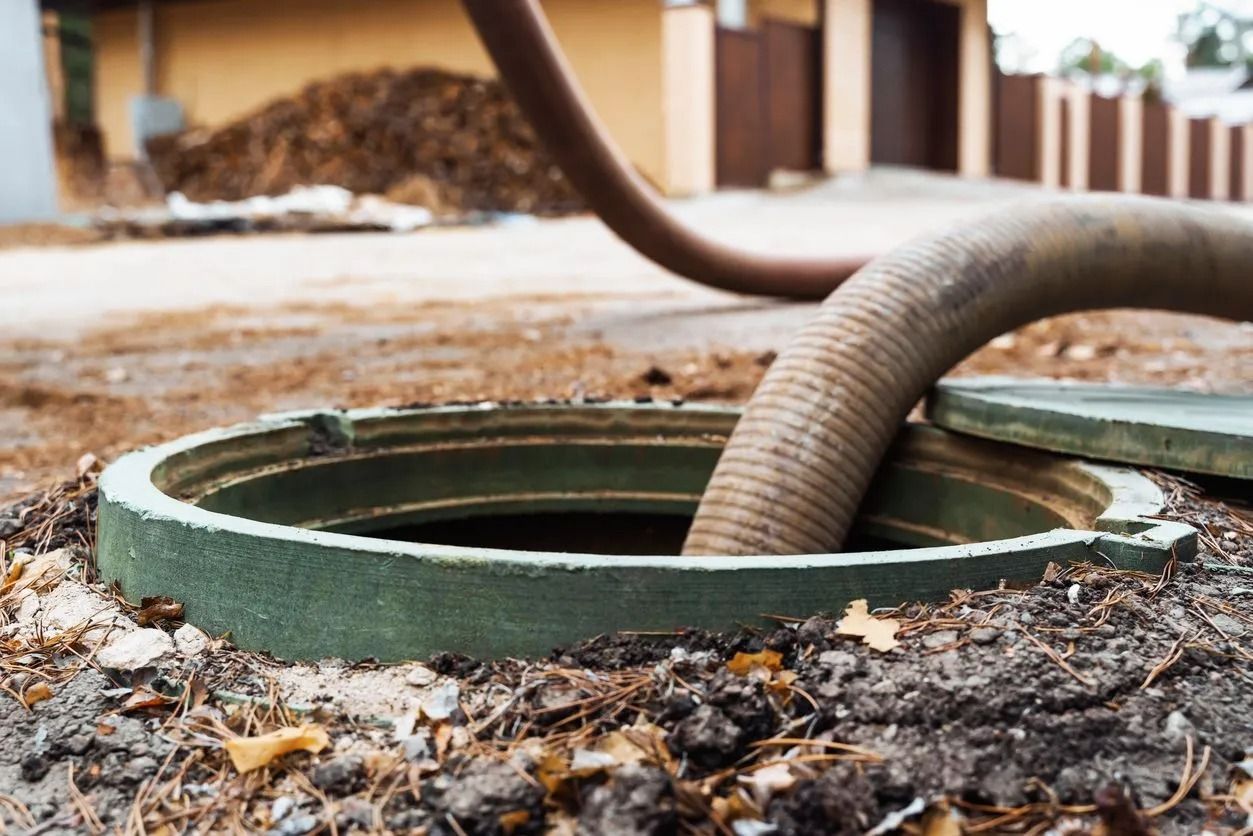
- Schedule regular septic tank pumping every 3 to 5 years
- Avoid flushing grease, wipes, or harsh chemicals
- Use water efficiently to prevent overload
- Keep vehicles and heavy equipment off the drain field
- Schedule routine inspections
With proper care, a septic system can last 25 to 40 years or more.
Why Professional Installation Matters
Improper septic installation can lead to sewage backups, environmental contamination, and expensive repairs. Working with a professional ensures the system is installed correctly, complies with regulations, and functions efficiently for years to come.
For homeowners in Chattanooga, professional septic system installation provides peace of mind and long term reliability.
Final Thoughts
Septic system installation is a complex process, but understanding each step helps homeowners make informed decisions. From soil testing and permits to installation and maintenance, choosing the right contractor is key to a successful system.
If you are planning a septic system installation in Chattanooga, working with a trusted local septic service like Rick’s Septic can save time, money, and future headaches.
SHARE THIS
Latest Posts