Eco Friendly Septic System Practices for Chattanooga Homes
January 29, 2026

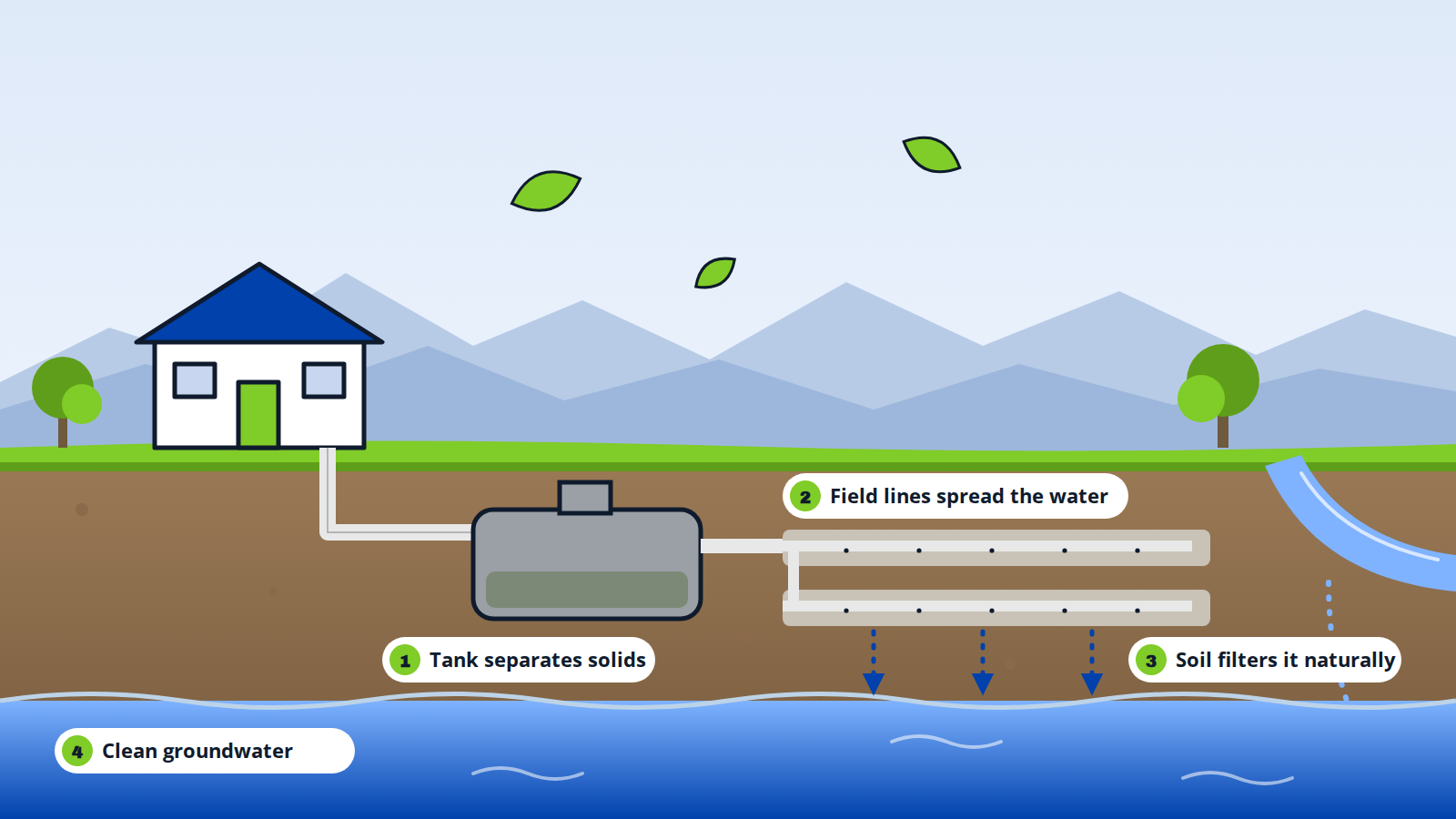
A well-maintained septic system is one of the most natural ways to treat household wastewater. The tank separates solids, the field lines spread the water out, and the soil filters it before it reaches the groundwater. When the system is cared for, it protects local soil, groundwater, and nearby streams. When it's neglected, it can do the opposite.
The good news is that the habits that protect the environment are the same ones that make your system last longer.
The Short Version
Use water wisely, choose septic-safe products, keep the wrong things out of your drains, protect your drain field, skip chemical additives, and keep up with pumping and inspections.

Why Septic Care Matters for Water in Chattanooga, TN
Many homes around Chattanooga and Hamilton County rely on septic systems, and many sit near creeks and streams that feed into local waterways. A healthy system filters wastewater through the soil the way it's designed to. A failing one can send poorly treated water to the surface or toward groundwater.
Simple septic maintenance keeps your system doing its job, for your home and your neighbors.
Use Water Wisely
Saving water is one of the most important eco-friendly septic habits. When too much water rushes into the tank at once, solids can get pushed out toward the field lines before they settle, which can clog the soil over time.
Ways to cut back:
- Fix leaky faucets and running toilets promptly
- Install water-efficient toilets and fixtures when it's time to replace them
- Spread laundry loads across the week
- Avoid running the washer and dishwasher at the same time
Less water means your drain field has time to absorb and filter what it receives.
Choose Septic-Safe Cleaning Products
Your septic tank relies on helpful bacteria to break down waste. Harsh chemicals, like heavy bleach use, drain cleaners, and antibacterial products, can kill those bacteria, so solids build up faster and the system works less effectively.
Use septic-safe, biodegradable soaps and cleaners whenever you can. They're gentler on your system and on the soil and water it drains into.
Keep the Wrong Things Out of Your Drains
Items that don't break down can clog pipes and damage your system. Never flush or pour:
- Wipes, even ones labeled "flushable"
- Paper towels and feminine products
- Grease, fats, and cooking oil
- Medications, paint, and chemicals
Throwing these away instead keeps them out of your tank and out of the ground.
Protect Your Drain Field
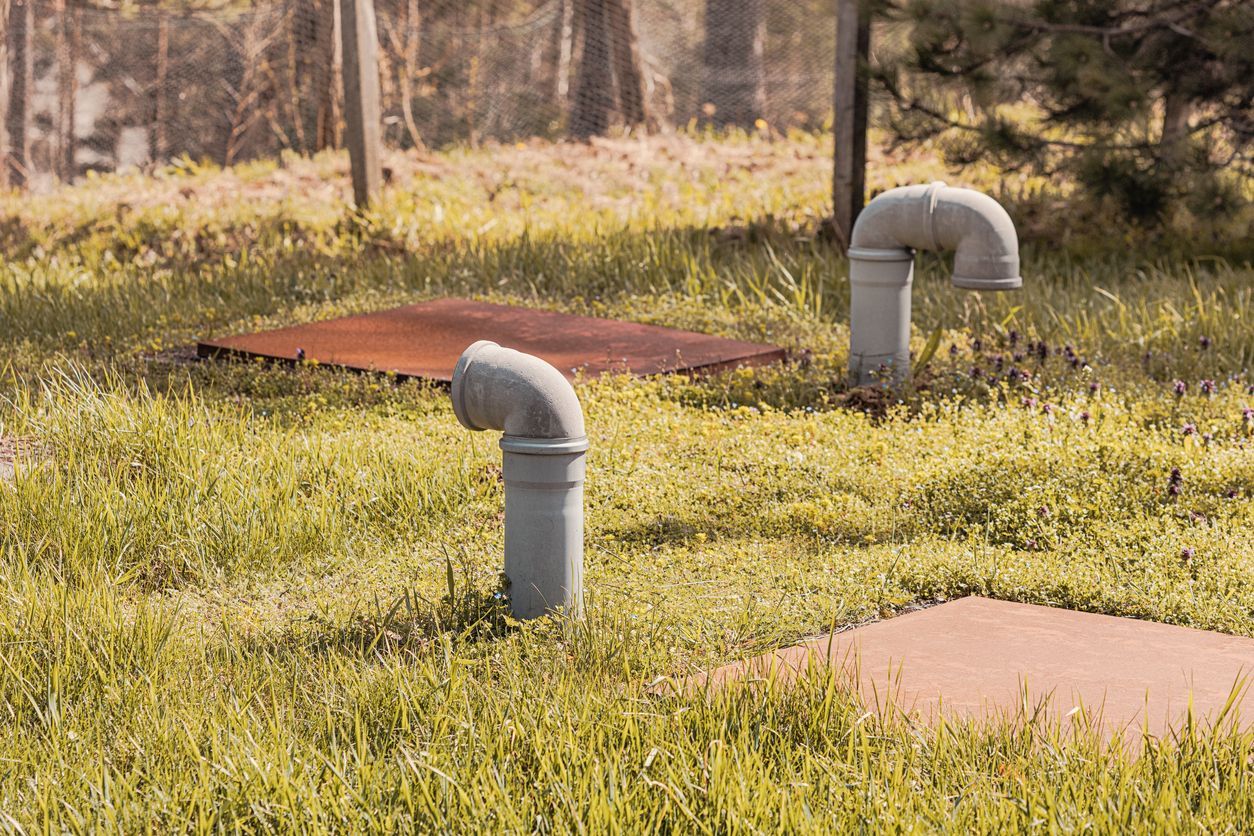
Your drain field (also called field lines or a leach field) is where the soil does its filtering, so it needs to stay healthy.
To protect it:
- Keep cars, trucks, and heavy equipment off it
- Don't build sheds, patios, or pools over it
- Plant only grass over the field lines, since tree and shrub roots can clog the pipes
- Point gutter downspouts and sprinklers away from it
A healthy drain field protects groundwater and the streams nearby.
Skip Chemical Additives
Many septic additives promise to improve how your system works, but some can do more harm than good by disrupting the tank's natural bacteria or stirring solids toward the drain field. A well-maintained system generally doesn't need them. Regular septic pumping and septic inspections do far more to keep your system healthy.
Pump Your Tank on Schedule
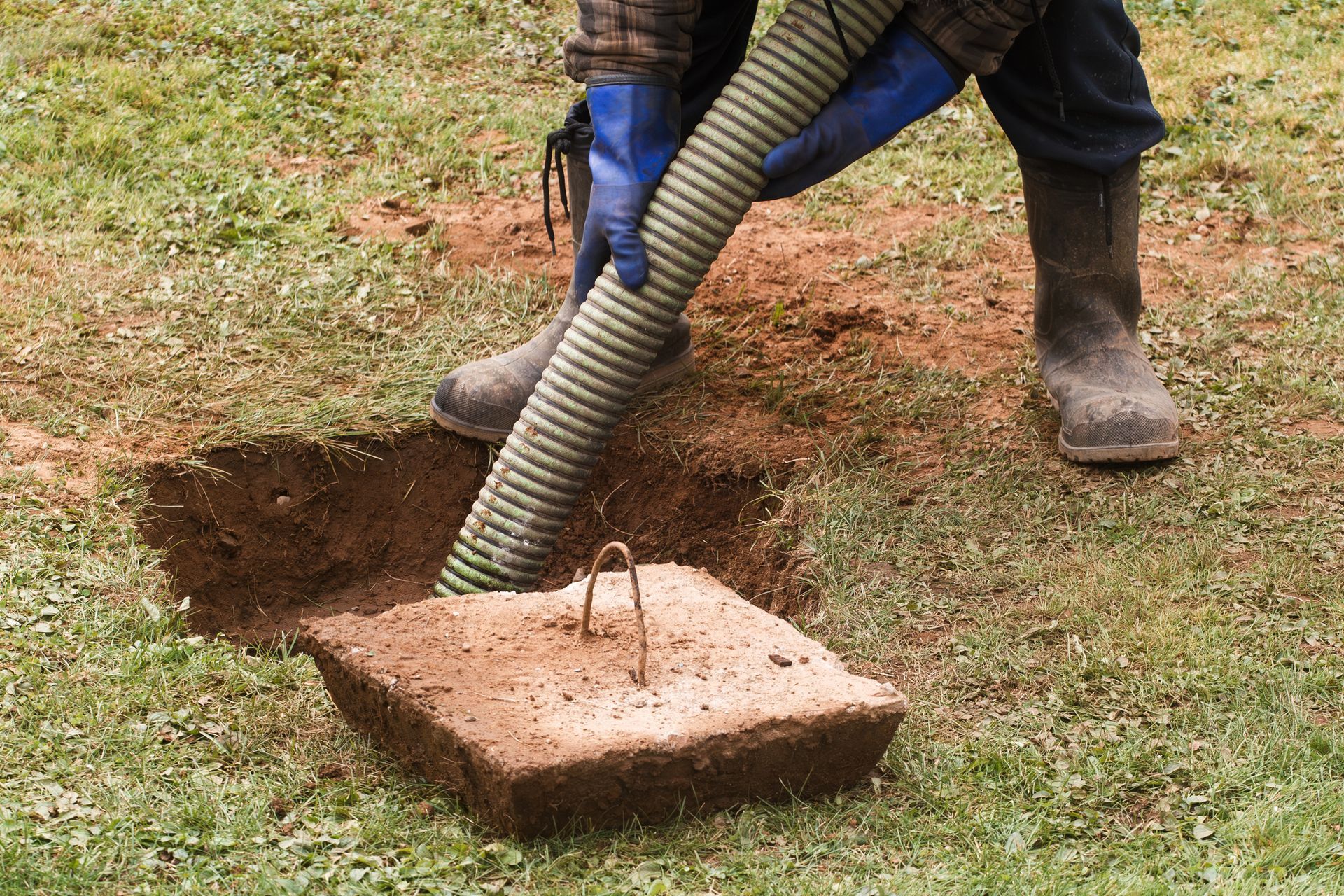
Pumping removes the sludge and scum that build up in your tank before they can escape into the field lines and clog the soil. Most homes need pumping every few years, depending on tank size, household size, and water use. We'll recommend a schedule that fits your home. Learn more about septic pumping.
Schedule Routine Septic Inspections
An septic tank inspection catches small problems, like a crack, a clog, or a struggling drain field, before they turn into leaks or failures. Our septic inspections include diagnostics and troubleshooting, and they're especially worthwhile for older systems and homes near creeks or streams.

Eco-Friendly Habits Save Money, Too
The same habits that protect the environment protect your budget. They help:
- Extend the life of your septic system
- Lower the chance of costly repairs or a full replacement
- Prevent backups and emergency calls
- Keep wastewater out of local groundwater and streams
And if a problem does come up, a full replacement isn't automatic: up to 90% of field lines can be repaired.
When to Call a Septic Professional
Call right away if sewage is backing up into your home. We're open 24/7. For slow drains, odors, or soggy ground over your drain field, schedule an inspection so a small problem doesn't become a big one.
Eco-Friendly Septic FAQ
Are septic systems environmentally friendly?
Yes, when they're installed and maintained properly. A septic system treats wastewater on your property, using the tank and the soil to filter it naturally. Problems happen when systems are neglected.
Do I need septic tank additives?
In most cases, no. A well-maintained system has the bacteria it needs. Regular pumping and inspections are more effective than additives.
How often should a septic tank be pumped?
Most homes need pumping every few years. How often depends on your tank size, how many people live in your home, and how much water you use.
Protect Your System and Our Local Water
Conserving water, choosing septic-safe products, protecting your drain field, and keeping up with maintenance help your system work the way it should for years to come. Rick's Septic of Chattanooga has helped homeowners across Chattanooga and Hamilton County care for their septic systems since 1992.
SHARE THIS