What to Do if Your Septic System Backups Up in Your Home
A septic system backup is one of the most stressful problems a homeowner can face. Sewage backing up into sinks, tubs, or toilets is not only unpleasant, it can also pose serious health risks and cause costly damage if not handled quickly.
If your septic system backs up in your home, taking the right steps immediately can help limit damage and speed up repairs.
Stop Using Water Right Away
The first thing you should do is stop all water use in the home. Running sinks, toilets, dishwashers, or washing machines will add more wastewater to an already overwhelmed system and make the backup worse.
If possible, shut off water to affected areas until the issue is resolved.
Avoid Contact With Sewage
Sewage contains bacteria and harmful contaminants. Avoid direct contact with standing water or waste. Keep children and pets away from affected areas and use protective gloves if you must enter the space.
Do not attempt to clean sewage with household cleaners alone, as proper sanitation may be required.
Check for Simple Causes
In some cases, a backup may be caused by a localized plumbing blockage rather than a full system failure. If only one fixture is affected, the issue may be inside the home.
If multiple drains are backing up at once, the problem is more likely related to the septic system.
Call a Professional Septic Service
Septic backups require professional attention. A licensed septic technician can determine whether the tank is full, a pipe is clogged, or the drain field is failing.
Trying to fix a backup without proper equipment can lead to further damage and safety risks.
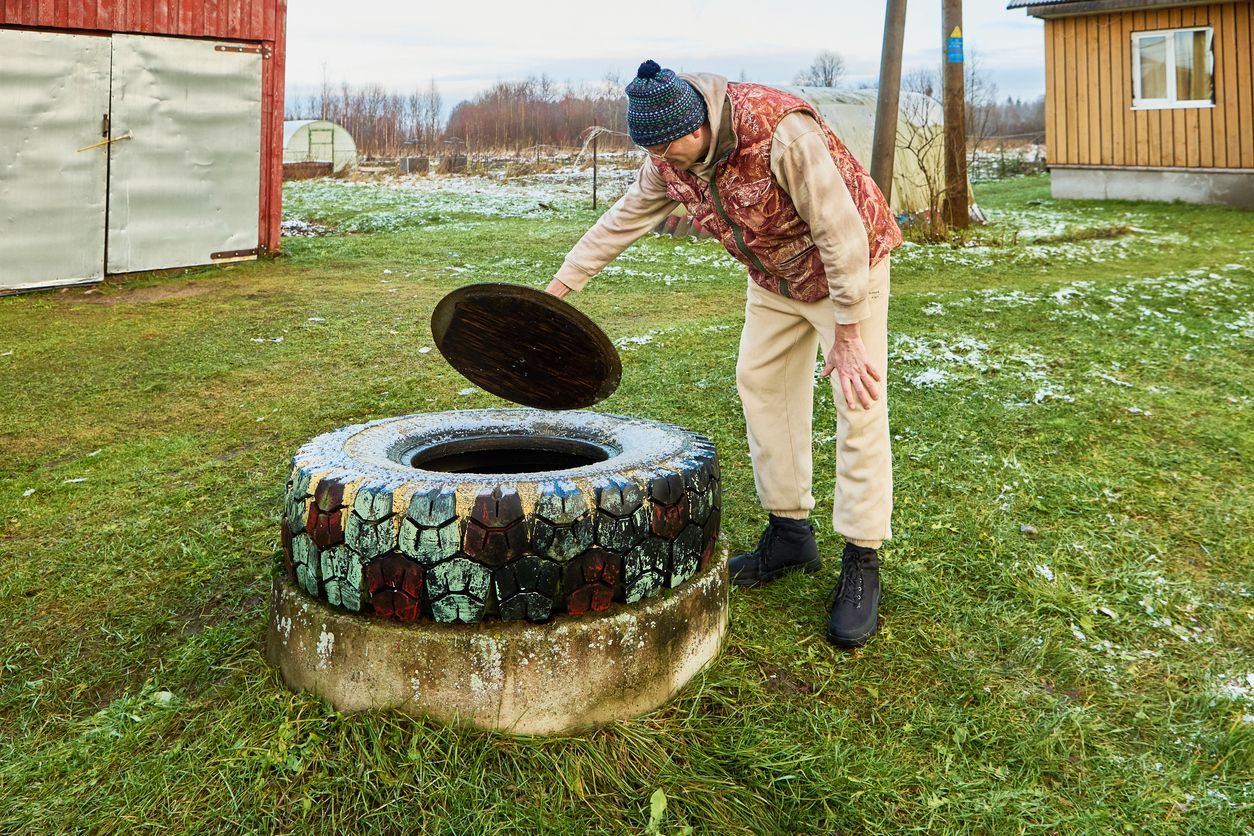
Do Not Open the Septic Tank Yourself
Opening a septic tank without proper training can be dangerous. Toxic gases may be present, and falling into a tank can cause serious injury.
Always leave septic tank access and service to trained professionals.
Ventilate the Area
If sewage has entered your home, open windows and doors to improve airflow. Ventilation helps reduce odors and improves air quality while waiting for professional help.
Avoid using fans that could spread contamination to other areas of the house.
Schedule Pumping and Inspection
Once the immediate issue is addressed, schedule a full septic inspection. Pumping the tank may resolve the backup, but an inspection ensures there are no underlying issues such as drain field failure or damaged pipes.
Understanding the cause of the backup helps prevent it from happening again.
Clean and Sanitize After Repairs
After the backup is resolved, proper cleanup is essential. In some cases, professional cleanup services may be recommended to fully sanitize affected areas and remove contamination.
Do not ignore lingering odors or moisture, as they can lead to mold and long term damage.
How to Prevent Future Septic Backups
Preventive maintenance is the best way to avoid septic system backups. Homeowners should:
- Schedule septic tank pumping every 3 to 5 years
- Avoid flushing wipes, grease, or non flushable items
- Use water efficiently
- Keep heavy vehicles off the drain field
- Schedule routine septic inspections
When to Call for Emergency Service
You should call for emergency septic service if:
- Sewage is backing up into multiple drains
- There is standing wastewater in the home
- Foul odors are strong and persistent
- The backup returns after pumping
Quick action can reduce damage and health risks.
Final Thoughts
A septic system backup in your home is a serious issue that requires immediate attention. Stopping water use, avoiding contact with sewage, and calling a professional septic service are the most important steps to take.
With proper maintenance and timely inspections, most septic backups can be prevented before they become emergencies.
You might also like