Septic System Dos and Donts for New Homeowners in Chattanooga
Buying a home with a septic system is common in and around Chattanooga, especially in suburban and rural areas. For new homeowners, understanding how to properly care for a septic system is essential. Simple habits can prevent costly repairs, system failure, and unpleasant surprises.
This guide covers the most important septic system dos and donts to help Chattanooga homeowners protect their investment and keep their system working properly.
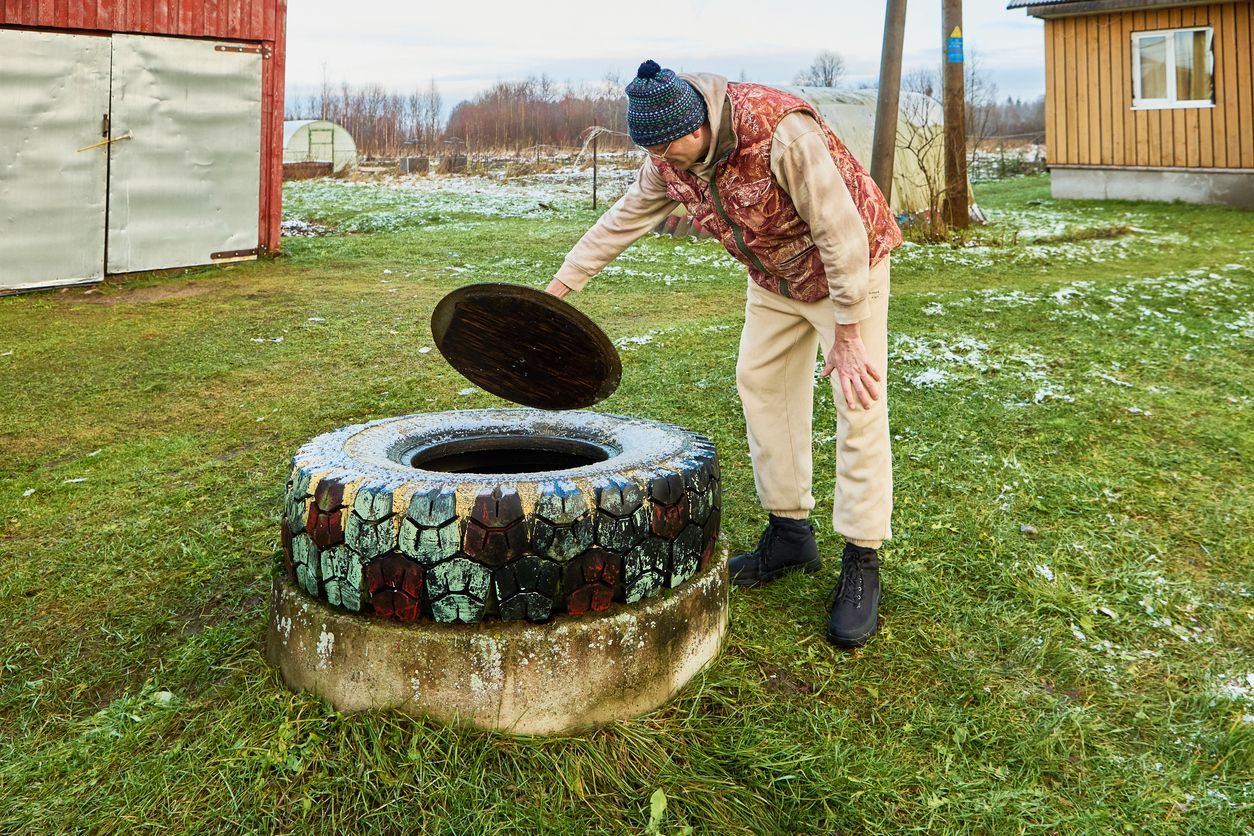
Do Learn Where Your Septic System Is Located
One of the first things new homeowners should do is find the location of the septic tank and drain field. Knowing where these components are helps prevent accidental damage and makes maintenance easier.
Ask for system records, diagrams, or inspection reports if they are available.
Dont Drive or Park Over the Septic System
Driving or parking vehicles over the septic tank or drain field can compact soil and damage pipes. Heavy weight can crack the tank or collapse drain field lines, leading to expensive repairs.
Keep vehicles, equipment, and trailers away from septic areas at all times.
Do Schedule Regular Septic Tank Pumping
Routine pumping is one of the most important parts of septic system maintenance. Most homes in Chattanooga should have their septic tank pumped every 3 to 5 years.
Regular pumping prevents solids from entering the drain field and reduces the risk of backups.
Dont Flush Non Flushable Items
Only human waste and toilet paper should go into the septic system. Flushing items like wipes, paper towels, feminine products, and diapers can cause clogs and damage.
Even products labeled as flushable can harm septic systems.
Do Use Water Efficiently
Excessive water use can overload a septic system and reduce treatment effectiveness. Spread out laundry loads, fix leaks promptly, and install water efficient fixtures when possible.
Efficient water use helps protect the drain field and extends system life.
Dont Pour Grease or Chemicals Down the Drain
Grease, oils, and harsh chemicals can disrupt the natural bacteria that break down waste in the septic tank. These substances can also cause clogs and damage pipes.
Dispose of grease in the trash and use septic safe cleaning products.
Do Protect the Drain Field
The drain field plays a critical role in wastewater treatment. Keep it clear of structures, pools, sheds, and heavy landscaping.
Plant only grass or shallow rooted plants near the drain field to avoid root intrusion.
Dont Ignore Warning Signs
Early warning signs of septic problems include slow drains, gurgling sounds, foul odors, and wet spots in the yard. Ignoring these signs can lead to system failure and costly repairs.
Schedule a professional inspection if you notice any changes in system performance.
Do Schedule Routine Septic Inspections
Regular inspections help identify small issues before they turn into major problems. Inspections are especially important for older systems or homes with heavy water use.
A local septic professional can recommend the right inspection schedule for your home.
Dont Attempt DIY Septic Repairs
Septic systems require specialized equipment and training. Attempting repairs on your own can be dangerous and may cause further damage.
Always contact a licensed septic professional for repairs or service.
Do Keep Maintenance Records
Keeping records of pumping, inspections, and repairs helps track system health and provides valuable documentation if you sell your home in the future.
Good records also help professionals make better maintenance recommendations.
Final Thoughts
For new homeowners in Chattanooga, proper septic system care starts with good habits and routine maintenance. Following these dos and donts can help prevent emergencies, extend the life of your system, and save money over time.
If you are new to owning a septic system, working with a trusted local septic service can provide peace of mind and long term protection.
You might also like