How to Know If You Need Repairs on Your Septic Tank

How to Know If You Need Repairs on Your Septic Tank

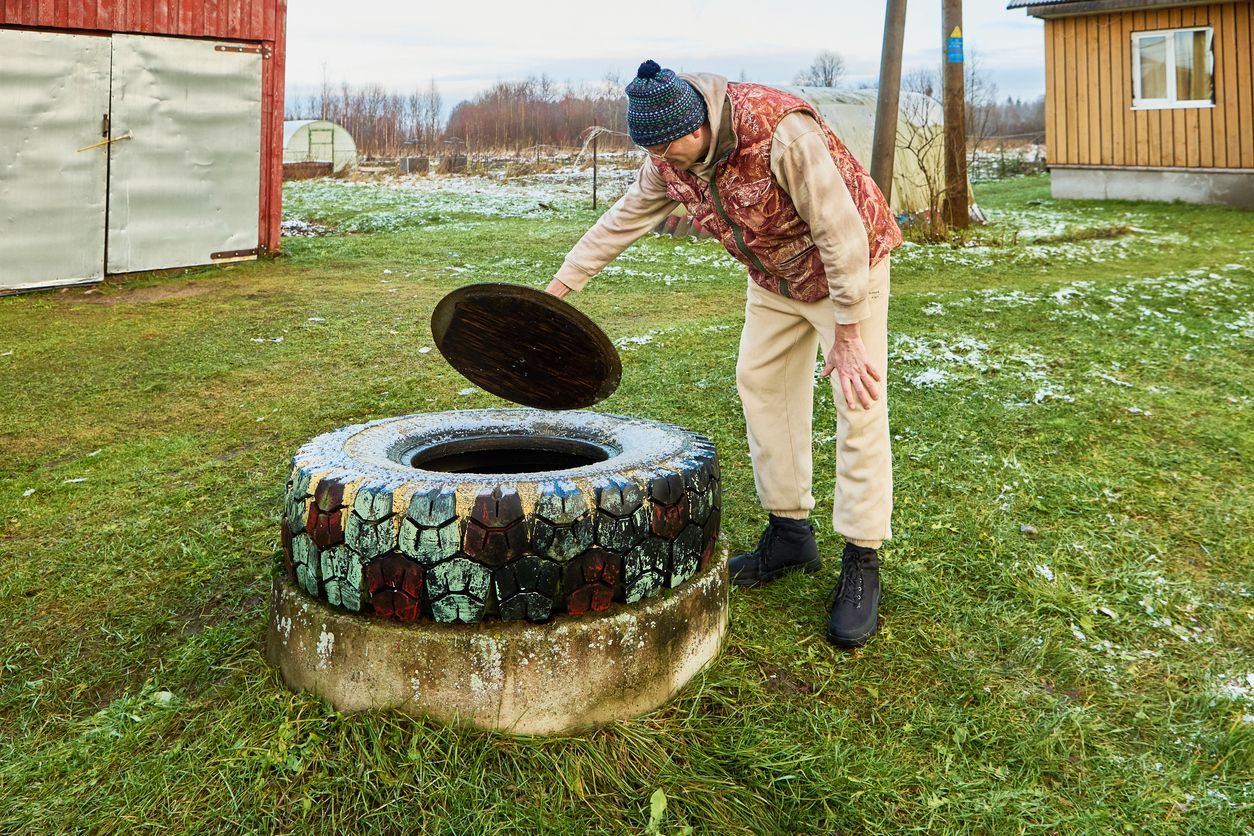
Your septic system quietly works behind the scenes every day, handling all your household wastewater. Because it’s out of sight, it’s easy to forget about—until something goes wrong. Knowing the warning signs of septic tank problems can help you catch issues early and avoid expensive repairs or full system replacements.

At Rick’s Septic, we believe prevention and awareness are key to keeping your system healthy. Here’s how to tell when your septic tank may need professional attention.

1. Slow or Gurgling Drains

If your sinks, showers, or toilets are draining slowly, it could mean your septic tank is getting full or there’s a blockage in the line. Gurgling noises in your plumbing are another red flag. These sounds happen when air bubbles are trapped in the system due to a clog or backup.

Tip: Don’t reach for chemical drain cleaners. They can harm the good bacteria in your tank. Instead, call Rick’s Septic for an inspection.

2. Sewage Odors Around Your Property

A healthy septic system should never smell bad. If you notice strong sewage odors near your drains, yard, or around the tank area, it’s likely a sign of trouble. The smell could come from a crack in your tank, a backup, or an overfilled system.

If you smell sewage, schedule a septic inspection immediately—it’s one of the clearest signs of a problem.

3. Standing Water or Soggy Areas in the Yard

Pools of water or soft, mushy ground around your septic tank or drain field often mean wastewater is escaping where it shouldn’t. This can happen when the system is overloaded, the drain field is clogged, or the tank has a leak.

If you see standing water even in dry weather, that’s a sure sign your septic system needs repairs.

4. Sewage Backups Inside the Home

If wastewater starts backing up into your toilets, bathtubs, or sinks, your septic system is already in serious trouble. This could be due to a blockage, a full tank, or damage to your drain field.

Never ignore sewage backups. Call a professional right away before it causes property damage or health hazards.

5. Greener Grass Over the Drain Field

While a lush lawn might look great, unusually green or fast-growing grass above your drain field could signal a leak underground. The extra nutrients from leaking wastewater act like fertilizer, causing that patch of grass to thrive unnaturally.

A professional inspection can determine whether it’s just healthy grass—or a septic issue that needs fixing.

6. Frequent Pumping or System Alarms

If you find yourself needing to pump your tank more often than usual, or if your septic alarm keeps going off, there may be an underlying mechanical or structural issue. Consistent problems like this should never be ignored, as they often point to a tank that’s cracking, leaking, or failing.

Don’t Wait Until It’s Too Late

The longer you wait to address septic problems, the more expensive the repair can become. Routine maintenance and prompt repairs can add years to your system’s lifespan and protect your property from damage.

At Rick’s Septic, we specialize in septic inspections, pumping, and repairs for homes and businesses. If you’ve noticed any of the signs above, contact our team today for a fast, reliable assessment.

Schedule Your Septic Repair with Rick’s Septic

Don’t ignore the warning signs of septic trouble. Call Rick’s Septic today or schedule your service online to keep your septic system healthy and your home safe.

You might also like

February 9, 2026
Your septic system works quietly in the background, so it is easy to forget about it until something goes wrong. The problem is that septic issues rarely appear out of nowhere. Most systems give off warning signs long before a major failure happens. Catching these problems early can save you thousands of dollars and prevent messy, stressful situations. Here are five early warning signs your septic system may need professional repair. 1. Slow Drains Throughout the House If one sink is draining slowly, it could be a simple clog. But if multiple drains in your home are slow at the same time, your septic system may be struggling. This often means: The septic tank is full There is a blockage in the system Field lines are beginning to fail Ignoring slow drains can lead to backups, so it is best to have the system inspected as soon as you notice the issue. 2. Foul Odors Inside or Outside Your Home Strong sewage smells are never normal. If you notice unpleasant odors coming from drains, toilets, or your yard, it may indicate a septic problem. Common causes include: A full or overflowing septic tank Cracked or damaged pipes Waste not breaking down properly If you smell sewage, your system needs immediate attention to prevent contamination and health risks. 3. Wet or Soggy Spots in the Yard Your drain field should not be wet. If you see standing water, soggy soil, or unusually green grass near your septic system, wastewater may be surfacing instead of properly absorbing into the soil. This is often a sign of: Failing field lines Soil saturation A damaged septic tank Left untreated, this can damage your yard and create serious sanitation concerns. 4. Gurgling Sounds in Plumbing Strange gurgling noises from toilets or drains can mean air is trapped in the plumbing system. This often happens when wastewater cannot flow freely through the septic system. Gurgling sounds may indicate: A blockage in the septic line A full septic tank Drain field problems These noises are an early warning sign and should not be ignored. 5. Sewage Backups Sewage backing up into sinks, tubs, or toilets is a clear sign something is wrong. Even small or occasional backups point to a failing septic system. This is often caused by: Lack of routine pumping Severe blockages Collapsed or damaged lines At this stage, repairs can become more costly, so calling a professional immediately is critical. What to Do If You Notice These Signs If you notice any of these warning signs, do not wait for the problem to get worse. Septic repairs are almost always less expensive when addressed early. A licensed septic professional can: Inspect your system Identify the root cause Recommend repair or maintenance options Help prevent future issues Final Thoughts Your septic system is a major investment, and early warning signs are your best opportunity to protect it. Slow drains, odors, wet spots, strange noises, and backups all signal that your system needs attention. If you live in the Chattanooga area and think your septic system may need repair, getting a professional inspection can help you avoid bigger problems down the road.
January 29, 2026
Septic systems are often misunderstood, and many homeowners rely on outdated or incorrect information. Believing common septic system myths can lead to poor maintenance habits, system damage, and expensive repairs. Below are some of the most common septic system myths and the facts every homeowner should know. Myth 1: Septic Systems Do Not Need Regular Maintenance The Truth All septic systems require routine maintenance. Without regular pumping and inspections, solids build up in the tank and can damage the drain field. Most septic tanks should be pumped every 3 to 5 years, depending on usage and tank size. Myth 2: Septic Tank Additives Replace Pumping The Truth No additive can replace septic tank pumping. While some products claim to break down waste, they do not remove solids from the tank. In some cases, additives can even push solids into the drain field and cause damage. Regular pumping and inspections are the safest and most effective maintenance methods. Myth 3: Flushable Wipes Are Safe for Septic Systems The Truth Many products labeled as flushable do not break down properly in septic systems. These items can clog pipes and cause backups. Only human waste and toilet paper should be flushed. Myth 4: You Can Drive Over the Drain Field Without Problems The Truth Driving or parking over the drain field can compact soil and damage pipes. This reduces soil absorption and can lead to system failure. Always keep vehicles and heavy equipment off septic areas. Myth 5: Septic Systems Smell Bad All the Time The Truth A properly functioning septic system should not produce strong odors. Persistent smells often indicate a full tank, blocked vents, or system damage. Odors should be inspected and addressed by a professional. Myth 6: Bigger Septic Tanks Mean Less Maintenance The Truth While larger tanks may allow more capacity, they still require routine pumping and inspections. Tank size does not eliminate the need for maintenance. Water usage and household size play a major role in service frequency. Myth 7: Septic Systems Harm the Environment The Truth When properly installed and maintained, septic systems are an environmentally responsible wastewater treatment solution. Problems occur when systems are neglected or improperly used. Routine maintenance helps protect soil and groundwater. Myth 8: If Drains Are Working, the System Is Fine The Truth Many septic problems develop silently. A system can appear to work while solids build up or drain field damage occurs. Regular inspections are the only way to fully assess system health. Myth 9: Septic Repairs Can Be Done as a DIY Project The Truth Septic systems require specialized equipment and training. Attempting DIY repairs can be dangerous and may cause further damage. Always hire a licensed septic professional for repairs or service. Myth 10: Septic Systems Last Forever The Truth While septic systems can last decades, they do not last forever. Proper care can extend system life, but tanks, pipes, and drain fields will eventually need repair or replacement. Routine maintenance helps maximize lifespan and reduce long term costs. Final Thoughts Understanding the truth behind common septic system myths helps homeowners make better maintenance decisions. Proper care, regular inspections, and professional service are key to avoiding costly problems and keeping your septic system running efficiently. If you have questions about septic system care or want to schedule service, working with a trusted septic professional can provide clarity and peace of mind.
January 29, 2026
Protecting the environment starts at home, and for many Chattanooga property owners, that includes caring for a septic system. When maintained properly, septic systems are an environmentally responsible way to treat wastewater. Simple eco friendly practices can help protect local soil, groundwater, and nearby streams while extending the life of your septic system. This guide explains practical, eco friendly septic system practices for homes and properties in the Chattanooga area. Use Water Efficiently Water conservation is one of the most important eco friendly septic practices. Using too much water can overload your system and push untreated wastewater into the soil. Ways to reduce water usage include: Fixing leaks promptly Installing water efficient toilets and fixtures Spacing out laundry loads Avoiding unnecessary water use Reducing water use protects the drain field and improves system performance. Choose Septic Safe Cleaning Products Harsh chemicals can kill the beneficial bacteria that break down waste in your septic tank. When these bacteria are disrupted, solids build up faster and the system becomes less effective. Use septic safe, biodegradable cleaning products whenever possible. Natural alternatives help protect both your septic system and the environment. Never Flush Harmful Materials Flushing non biodegradable items can clog pipes and damage your system. Items that should never be flushed include: Wipes and paper towels Feminine products Grease and cooking oils Medications and chemicals Proper disposal reduces pollution and prevents system failure. Protect the Drain Field The drain field plays a key role in filtering wastewater before it returns to the soil. Protecting this area is essential for environmental safety. Eco friendly drain field practices include: Keeping vehicles and heavy equipment off the area Avoiding construction or landscaping over the drain field Planting grass or shallow rooted plants only Directing surface water away from the area A healthy drain field protects groundwater and nearby ecosystems. Schedule Regular Septic Tank Pumping Routine septic tank pumping prevents solids from entering the drain field and contaminating soil and groundwater. Most Chattanooga homes should schedule pumping every 3 to 5 years. Regular service reduces the risk of leaks, backups, and environmental damage. Avoid Chemical Additives Many septic additives claim to improve system performance, but some can do more harm than good. Chemical additives may disrupt natural processes and push solids into the drain field. In most cases, a properly maintained septic system does not require additives. Regular pumping and inspections are more effective and environmentally responsible. Manage Landscaping Carefully Tree roots can damage septic pipes and drain field lines. When landscaping near septic areas, choose plants with shallow root systems and avoid planting trees nearby. Eco friendly landscaping helps prevent root intrusion and protects system integrity. Schedule Routine Inspections Regular septic inspections help identify leaks, damage, or system stress before environmental contamination occurs. Inspections ensure wastewater is being treated properly and safely. A professional inspection is especially important for older systems or properties near waterways. How Eco Friendly Practices Save Money Environmentally responsible septic care is also cost effective. Eco friendly practices help: Extend the life of your septic system Reduce repair and replacement costs Prevent groundwater contamination Avoid emergency service calls Protecting the environment and saving money often go hand in hand. Final Thoughts Eco friendly septic system practices benefit both your property and the Chattanooga environment. By conserving water, using septic safe products, protecting the drain field, and scheduling regular maintenance, you can keep your system working efficiently for years to come.

Book a Service Today