Septic Tank Pumping vs. Cleaning: What Is the Difference?

Many homeowners hear the terms septic tank pumping and septic tank cleaning used interchangeably. While they are closely related, they are not exactly the same service. Understanding the difference between septic tank pumping and cleaning can help you maintain your system properly and avoid costly problems.

This guide explains what each service involves, when you need them, and why both are important for a healthy septic system.

What Is Septic Tank Pumping?

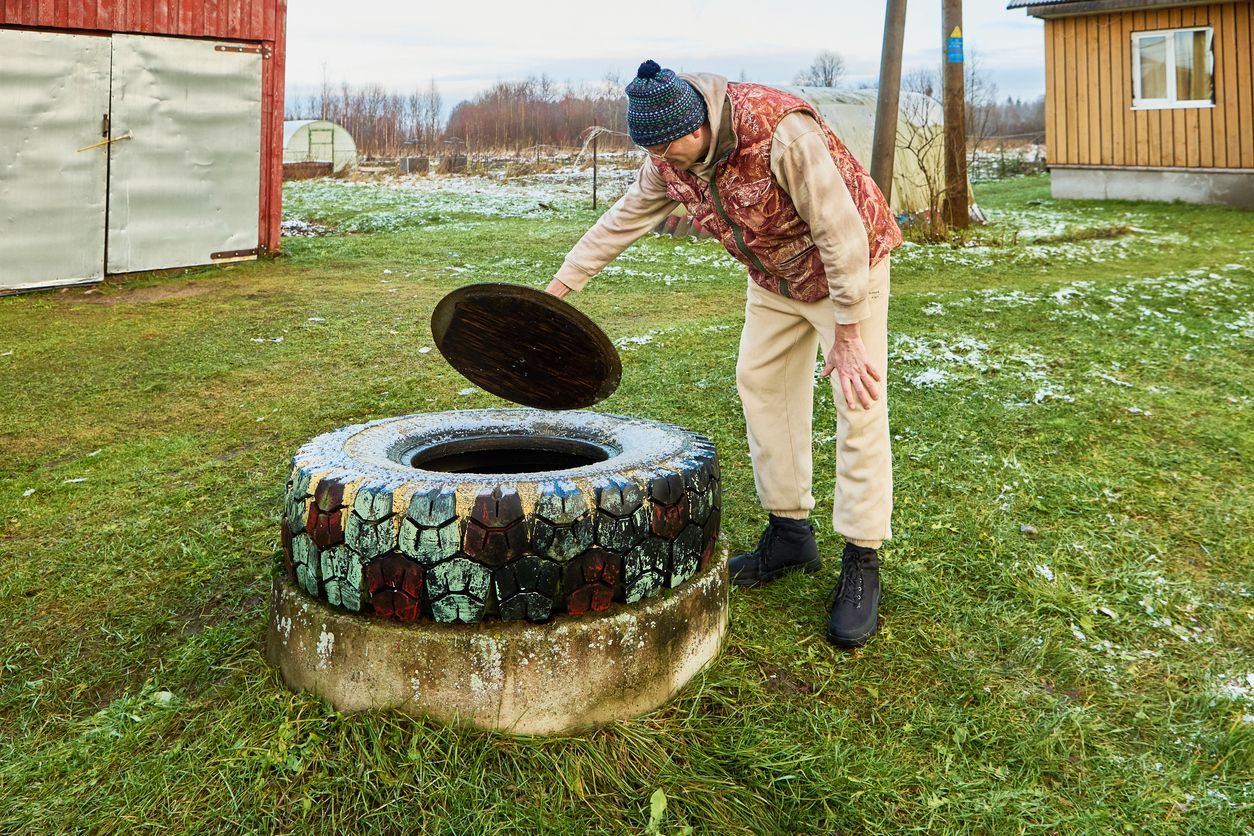
Septic tank pumping is the process of removing liquid and floating solids from the septic tank. Over time, sludge builds up at the bottom of the tank while grease and oils float to the top. Pumping removes most of this waste so the system can continue working efficiently.

What Happens During Pumping?

During septic tank pumping, a technician uses a vacuum hose to remove wastewater and solid material from the tank. This reduces buildup and prevents solids from flowing into the drain field.

Pumping is a routine maintenance service and is recommended every 3 to 5 years for most households, depending on tank size and water usage.

What Is Septic Tank Cleaning?

Septic tank cleaning is a more thorough service than pumping. In addition to removing waste, cleaning involves breaking up hardened sludge, scraping the tank walls, and ensuring that all solids are removed from the tank.

Cleaning may also include inspecting baffles, filters, and internal components to ensure proper function.

When Is Cleaning Needed?

Septic tank cleaning is typically needed when:

  • The tank has not been serviced in many years

  • Sludge buildup is excessive

  • The system is showing signs of poor performance

  • A property is being sold or transferred

  • The tank has experienced backups or odors

Cleaning helps restore proper tank capacity and function.

Key Differences Between Pumping and Cleaning

Level of Service

Pumping removes most waste from the tank, while cleaning removes all waste and buildup, including hardened sludge.

Time and Cost

Pumping is quicker and less expensive than cleaning. Cleaning takes longer and may cost more due to the additional labor involved.

Purpose

Pumping is preventive maintenance. Cleaning is often corrective maintenance used when problems are present or maintenance has been neglected.

Which Service Do You Need?

Most homeowners only need regular septic tank pumping to keep their system healthy. However, septic tank cleaning may be recommended if pumping alone does not resolve issues or if the tank has not been maintained properly.

A professional septic inspection can determine whether pumping or cleaning is the right solution for your system.

Why Proper Maintenance Matters

Skipping routine pumping or delaying cleaning can cause solids to enter the drain field, leading to clogs, backups, and system failure. Drain field repairs are among the most expensive septic repairs, making regular maintenance essential.

Routine service helps:

  • Extend the life of the septic system

  • Prevent sewage backups

  • Reduce foul odors

  • Protect the drain field

  • Avoid emergency repairs

How Often Should Septic Tanks Be Serviced?

Most septic tanks should be pumped every 3 to 5 years. Cleaning schedules vary based on usage, system condition, and past maintenance history.

Homes with large families, heavy water usage, or older systems may require more frequent service.

Choosing a Professional Septic Service

Working with a professional septic service ensures the job is done safely and correctly. A trained technician can identify potential issues, recommend the right service, and provide guidance on ongoing maintenance.

Local professionals understand soil conditions and regulations and can help protect your investment.

Final Thoughts

While septic tank pumping and cleaning are related, they serve different purposes. Pumping is routine maintenance, while cleaning is a deeper service used when buildup or system problems exist.

Understanding the difference helps homeowners make informed decisions and keep their septic systems operating efficiently for years to come.


You might also like

January 16, 2026
Septic systems are often misunderstood, and many homeowners rely on outdated or incorrect information. Believing common septic system myths can lead to poor maintenance habits, system damage, and expensive repairs. Below are some of the most common septic system myths and the facts every homeowner should know. Myth 1: Septic Systems Do Not Need Regular Maintenance The Truth All septic systems require routine maintenance. Without regular pumping and inspections, solids build up in the tank and can damage the drain field. Most septic tanks should be pumped every 3 to 5 years, depending on usage and tank size. Myth 2: Septic Tank Additives Replace Pumping The Truth No additive can replace septic tank pumping. While some products claim to break down waste, they do not remove solids from the tank. In some cases, additives can even push solids into the drain field and cause damage. Regular pumping and inspections are the safest and most effective maintenance methods. Myth 3: Flushable Wipes Are Safe for Septic Systems The Truth Many products labeled as flushable do not break down properly in septic systems. These items can clog pipes and cause backups. Only human waste and toilet paper should be flushed. Myth 4: You Can Drive Over the Drain Field Without Problems The Truth Driving or parking over the drain field can compact soil and damage pipes. This reduces soil absorption and can lead to system failure. Always keep vehicles and heavy equipment off septic areas. Myth 5: Septic Systems Smell Bad All the Time The Truth A properly functioning septic system should not produce strong odors. Persistent smells often indicate a full tank, blocked vents, or system damage. Odors should be inspected and addressed by a professional. Myth 6: Bigger Septic Tanks Mean Less Maintenance The Truth While larger tanks may allow more capacity, they still require routine pumping and inspections. Tank size does not eliminate the need for maintenance. Water usage and household size play a major role in service frequency. Myth 7: Septic Systems Harm the Environment The Truth When properly installed and maintained, septic systems are an environmentally responsible wastewater treatment solution. Problems occur when systems are neglected or improperly used. Routine maintenance helps protect soil and groundwater. Myth 8: If Drains Are Working, the System Is Fine The Truth Many septic problems develop silently. A system can appear to work while solids build up or drain field damage occurs. Regular inspections are the only way to fully assess system health. Myth 9: Septic Repairs Can Be Done as a DIY Project The Truth Septic systems require specialized equipment and training. Attempting DIY repairs can be dangerous and may cause further damage. Always hire a licensed septic professional for repairs or service. Myth 10: Septic Systems Last Forever The Truth While septic systems can last decades, they do not last forever. Proper care can extend system life, but tanks, pipes, and drain fields will eventually need repair or replacement. Routine maintenance helps maximize lifespan and reduce long term costs. Final Thoughts Understanding the truth behind common septic system myths helps homeowners make better maintenance decisions. Proper care, regular inspections, and professional service are key to avoiding costly problems and keeping your septic system running efficiently. If you have questions about septic system care or want to schedule service, working with a trusted septic professional can provide clarity and peace of mind.
January 16, 2026
Protecting the environment starts at home, and for many Chattanooga property owners, that includes caring for a septic system. When maintained properly, septic systems are an environmentally responsible way to treat wastewater. Simple eco friendly practices can help protect local soil, groundwater, and nearby streams while extending the life of your septic system. This guide explains practical, eco friendly septic system practices for homes and properties in the Chattanooga area. Use Water Efficiently Water conservation is one of the most important eco friendly septic practices. Using too much water can overload your system and push untreated wastewater into the soil. Ways to reduce water usage include: Fixing leaks promptly Installing water efficient toilets and fixtures Spacing out laundry loads Avoiding unnecessary water use Reducing water use protects the drain field and improves system performance. Choose Septic Safe Cleaning Products Harsh chemicals can kill the beneficial bacteria that break down waste in your septic tank. When these bacteria are disrupted, solids build up faster and the system becomes less effective. Use septic safe, biodegradable cleaning products whenever possible. Natural alternatives help protect both your septic system and the environment. Never Flush Harmful Materials Flushing non biodegradable items can clog pipes and damage your system. Items that should never be flushed include: Wipes and paper towels Feminine products Grease and cooking oils Medications and chemicals Proper disposal reduces pollution and prevents system failure. Protect the Drain Field The drain field plays a key role in filtering wastewater before it returns to the soil. Protecting this area is essential for environmental safety. Eco friendly drain field practices include: Keeping vehicles and heavy equipment off the area Avoiding construction or landscaping over the drain field Planting grass or shallow rooted plants only Directing surface water away from the area A healthy drain field protects groundwater and nearby ecosystems. Schedule Regular Septic Tank Pumping Routine septic tank pumping prevents solids from entering the drain field and contaminating soil and groundwater. Most Chattanooga homes should schedule pumping every 3 to 5 years. Regular service reduces the risk of leaks, backups, and environmental damage. Avoid Chemical Additives Many septic additives claim to improve system performance, but some can do more harm than good. Chemical additives may disrupt natural processes and push solids into the drain field. In most cases, a properly maintained septic system does not require additives. Regular pumping and inspections are more effective and environmentally responsible. Manage Landscaping Carefully Tree roots can damage septic pipes and drain field lines. When landscaping near septic areas, choose plants with shallow root systems and avoid planting trees nearby. Eco friendly landscaping helps prevent root intrusion and protects system integrity. Schedule Routine Inspections Regular septic inspections help identify leaks, damage, or system stress before environmental contamination occurs. Inspections ensure wastewater is being treated properly and safely. A professional inspection is especially important for older systems or properties near waterways. How Eco Friendly Practices Save Money Environmentally responsible septic care is also cost effective. Eco friendly practices help: Extend the life of your septic system Reduce repair and replacement costs Prevent groundwater contamination Avoid emergency service calls Protecting the environment and saving money often go hand in hand. Final Thoughts Eco friendly septic system practices benefit both your property and the Chattanooga environment. By conserving water, using septic safe products, protecting the drain field, and scheduling regular maintenance, you can keep your system working efficiently for years to come.
January 16, 2026
A new year is the perfect time to take care of the things that protect your home and your investment, including your septic system. For homeowners in and around Chattanooga, regular septic maintenance can prevent unexpected problems, save money, and keep your system running smoothly all year long. At Rick's Septic of Chattanooga, we believe the start of a new year is the ideal time to schedule service, plan maintenance, and avoid costly surprises down the road. Why the New Year Is a Smart Time for Septic Service Many septic problems develop slowly and go unnoticed until they turn into emergencies. Cold weather, holiday guests, and increased water use during the winter months can all put extra strain on your system. Scheduling septic service early in the year helps you: Catch small issues before they become major repairs Avoid emergency backups later in the year Plan maintenance around your schedule Extend the life of your septic system Starting the year with a properly maintained system gives you peace of mind. Was Your Septic System Serviced Last Year? If you are not sure when your septic tank was last pumped or inspected, the new year is a great reminder. Most septic tanks in the Chattanooga area should be pumped every 3 to 5 years, depending on household size and usage. If it has been several years or you recently purchased your home, a professional inspection can help determine the condition of your system. New Year, New Habits for Septic Care The new year is also a good time to build better septic habits. Simple changes can make a big difference in system performance. Good septic habits include: Using water efficiently and spacing out laundry loads Avoiding flushing wipes, grease, or non flushable items Keeping vehicles and heavy equipment off the drain field Scheduling routine inspections These habits help protect your system year round. Avoid Costly Septic Emergencies in 2026 One of the most common reasons homeowners call for emergency septic service is skipped maintenance. Full tanks, clogged lines, and failing drain fields often show warning signs long before failure occurs. Routine septic service from Rick's Septic of Chattanooga can help you avoid: Sewage backups inside the home Foul odors around your property Standing water in the yard Unexpected repair costs Preventive maintenance is always more affordable than emergency repair. Local Septic Service You Can Trust Rick's Septic of Chattanooga has proudly served homeowners throughout the Chattanooga area with reliable septic pumping, inspections, and repairs. Our team understands local soil conditions, weather patterns, and regulations, allowing us to provide service you can count on. When you work with a local company, you get personalized service and honest recommendations based on your specific system. Schedule Your New Year Septic Service Today Starting the year with septic maintenance is one of the smartest steps you can take as a homeowner. Whether you need septic tank pumping, an inspection, or expert advice, Rick's Septic of Chattanooga is here to help. Contact us today to schedule service and start the new year with confidence knowing your septic system is ready for whatever the year brings. Final Thoughts A new year is about fresh starts and smart planning. Taking care of your septic system now can prevent stress, protect your property, and save money throughout the year. Let Rick's Septic of Chattanooga help you make septic maintenance part of your new year plan.

Book a Service Today